Global geopolitical tensions can often feel distant from daily business operations. However, the economic ripple effects travel quickly—especially through global energy markets. Recent developments involving Iran have once again highlighted how instability in the Middle East can impact oil supply chains worldwide.
For a country like the Philippines, which imports the majority of its petroleum supply, disruptions in global oil markets almost immediately translate into rising fuel prices. These increases are particularly tied to developments around the Strait of Hormuz—one of the most important maritime routes for crude oil shipments.
When global oil prices rise, diesel prices in the Philippines typically follow.
For many Philippine businesses, especially small and medium-sized enterprises (SMEs), this creates operational challenges that can quickly affect profitability.
Why Diesel Prices Matter for Philippine Businesses
Diesel plays a critical role in the Philippine economy. From transportation fleets and delivery trucks to construction machinery, agricultural equipment, and logistics operations, diesel powers much of the infrastructure that keeps businesses moving.
When diesel prices increase, the impact is felt across several layers of operations:
Higher logistics costs
Transportation and distribution expenses increase as fuel costs rise.
Supplier price adjustments
Manufacturers and distributors often pass transportation costs through the supply chain.
Pressure on pricing strategies
Businesses must decide whether to absorb the additional costs or pass them to customers.
Operational inefficiencies become more expensive
Delays in warehouse operations, inefficient dispatch processes, or inaccurate inventory records can amplify logistics expenses during periods of high fuel prices.
For SMEs operating with tighter margins, these pressures can significantly affect cash flow and operational stability.
The Hidden Cost Layer: Warehouse and Logistics Efficiency
When companies evaluate the impact of fuel price increases, the focus often stays on transportation expenses alone. However, operational inefficiencies within warehouses and logistics workflows can quietly multiply those costs.
Common challenges many organizations face include:
- Limited visibility into inventory movement
- Inefficient warehouse picking and dispatch processes
- Lack of coordination between warehouse teams and delivery operations
- Manual tracking of equipment, assets, and inventory
- Limited data for planning logistics routes and delivery schedules
Without the right operational systems in place, leadership teams may struggle to identify these inefficiencies quickly enough to respond effectively.
Why Operational Visibility Matters During Economic Volatility
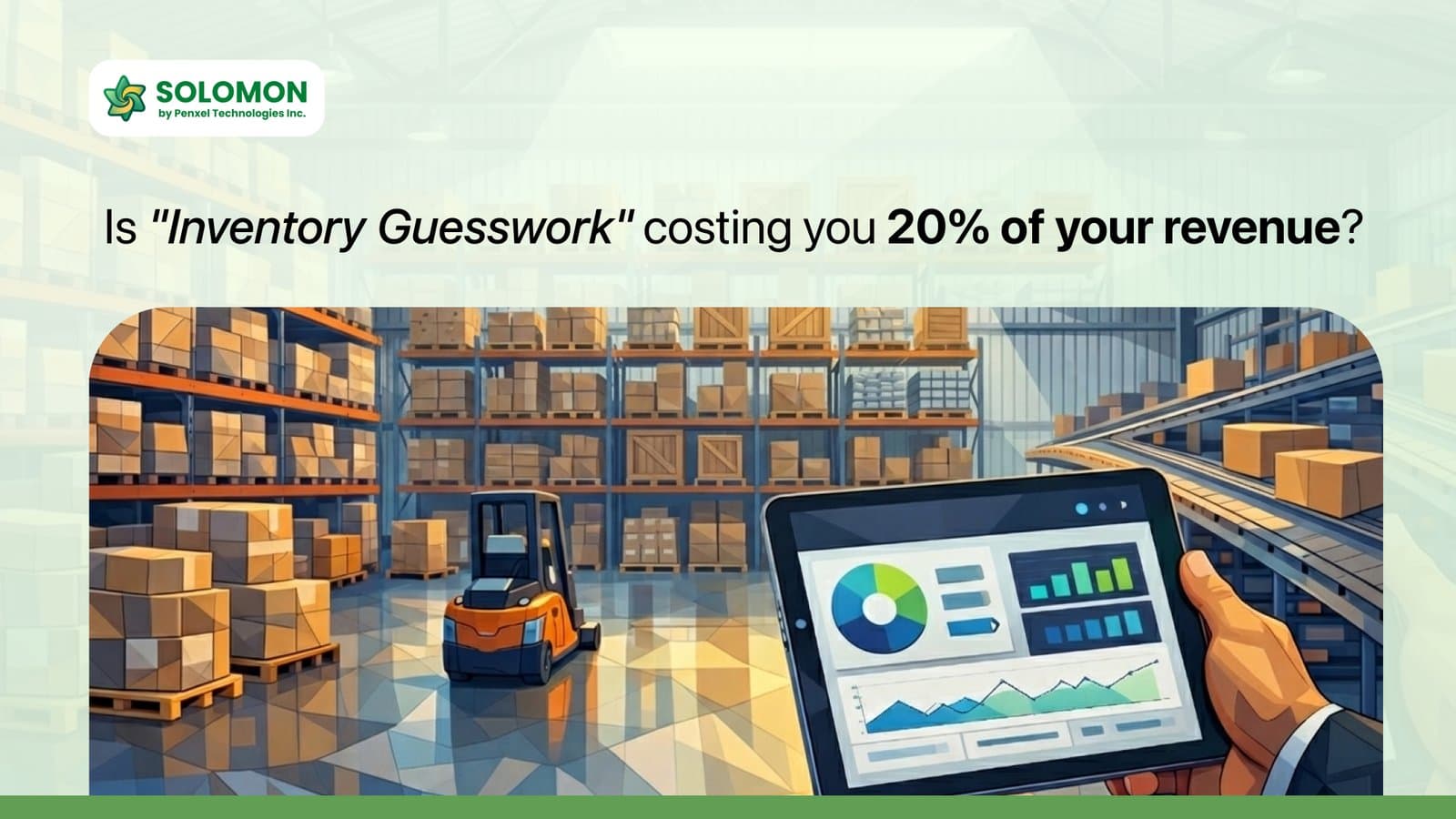
During uncertain economic conditions, access to accurate operational data becomes a major advantage.
Executives—particularly CFOs, COOs, and CEOs—need immediate answers to critical questions such as:
- Where are logistics costs increasing across operations?
- Which warehouse processes are slowing down order fulfillment?
- How efficiently are delivery vehicles and logistics assets being utilized?
- Are inventory levels optimized to prevent unnecessary transportation or replenishment costs?
- How can operational workflows be adjusted to protect profit margins?
Organizations that rely heavily on manual reporting or disconnected systems often struggle to obtain these insights quickly.
Integrated operational platforms can provide the visibility required to make faster, more informed decisions.
Strengthening Operations with Integrated Management Systems

Solutions developed by Penxel Technologies Inc. are designed to help businesses improve operational control across critical areas such as inventory management, warehouse workflows, asset monitoring, and logistics coordination.
These systems provide a unified operational framework that helps organizations maintain efficiency even during periods of cost volatility.
Solomon Warehouse Management System (WMS)
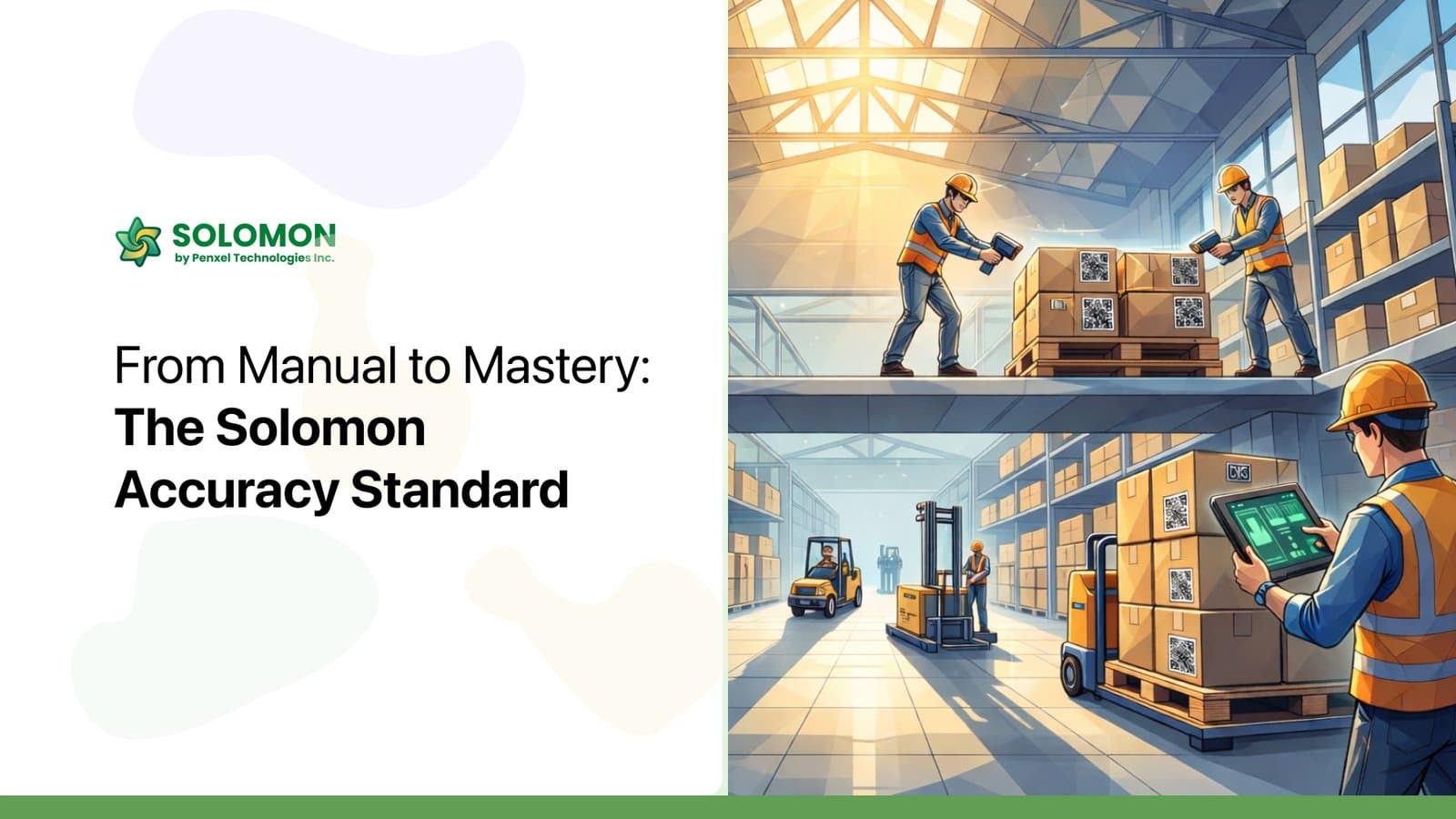
Solomon WMS provides real-time tracking of inventory movement from receiving to dispatch. With greater visibility into warehouse operations, companies can streamline workflows, reduce picking errors, and improve order fulfillment speed.
Inventory Management System
An integrated inventory system ensures accurate stock records and provides better control over inventory levels. This helps businesses avoid both stock shortages and excess inventory—two issues that can increase logistics and transportation costs.
Fixed Asset Management System (FAMS)
Solomon FAMS helps organizations track operational assets across warehouses, facilities, and logistics networks. With centralized records and automated reporting, businesses gain greater control over equipment utilization and maintenance planning.
Transport and Logistics Management
Integrating warehouse systems with transport and logistics workflows allows companies to better coordinate dispatch operations, delivery planning, and vehicle utilization. This reduces inefficiencies that can become significantly more costly when fuel prices rise.
Operational Efficiency as a Strategic Advantage
Global events—from geopolitical tensions to energy supply disruptions—are largely outside the control of individual businesses. What organizations can control is how efficiently their operations function.
Companies that remain resilient during economic uncertainty typically share several key characteristics:
- Clear operational visibility across departments
- Integrated warehouse and logistics systems
- Data-driven decision-making processes
- Agile leadership capable of adapting quickly to market changes
Operational intelligence enables organizations to identify inefficiencies early, optimize resource utilization, and maintain stronger control over operating costs.
Preparing for an Uncertain Energy Landscape
For Philippine SMEs navigating rising diesel prices and supply chain volatility, improving operational efficiency is no longer just a matter of modernization—it is a strategic necessity.
By leveraging integrated systems like Solomon WMS and Solomon FAMS, businesses can gain the visibility needed to manage inventory, warehouses, assets, and logistics operations more effectively.
In an environment where fuel costs and supply chains can shift rapidly, organizations that invest in operational intelligence will be better positioned to adapt, protect margins, and sustain long-term growth.
In today’s volatile energy landscape, the most competitive companies are not always the largest—they are the ones with the clearest visibility into their operations and the agility to act on that information quickly.