As Philippine distributors expand their product lines and customer reach, inventory management becomes a critical operational function. Ensuring the right stock levels, maintaining cash flow discipline, and responding to demand fluctuations are ongoing challenges—especially for organizations operating across multiple locations.
At Penxel, we are exploring how Solomon, our inventory management and intelligence platform, can support organizations seeking to improve visibility, consistency, and operational readiness through future partnerships and pilot initiatives.
Distributors in food, consumer goods, and manufacturing sectors often rely on a mix of digital tools and manual processes to manage inventory. While these systems support basic tracking, they can fall short when operations scale.
Common operational challenges include:
Inconsistent inventory records across locations
Time-consuming manual stock reconciliation
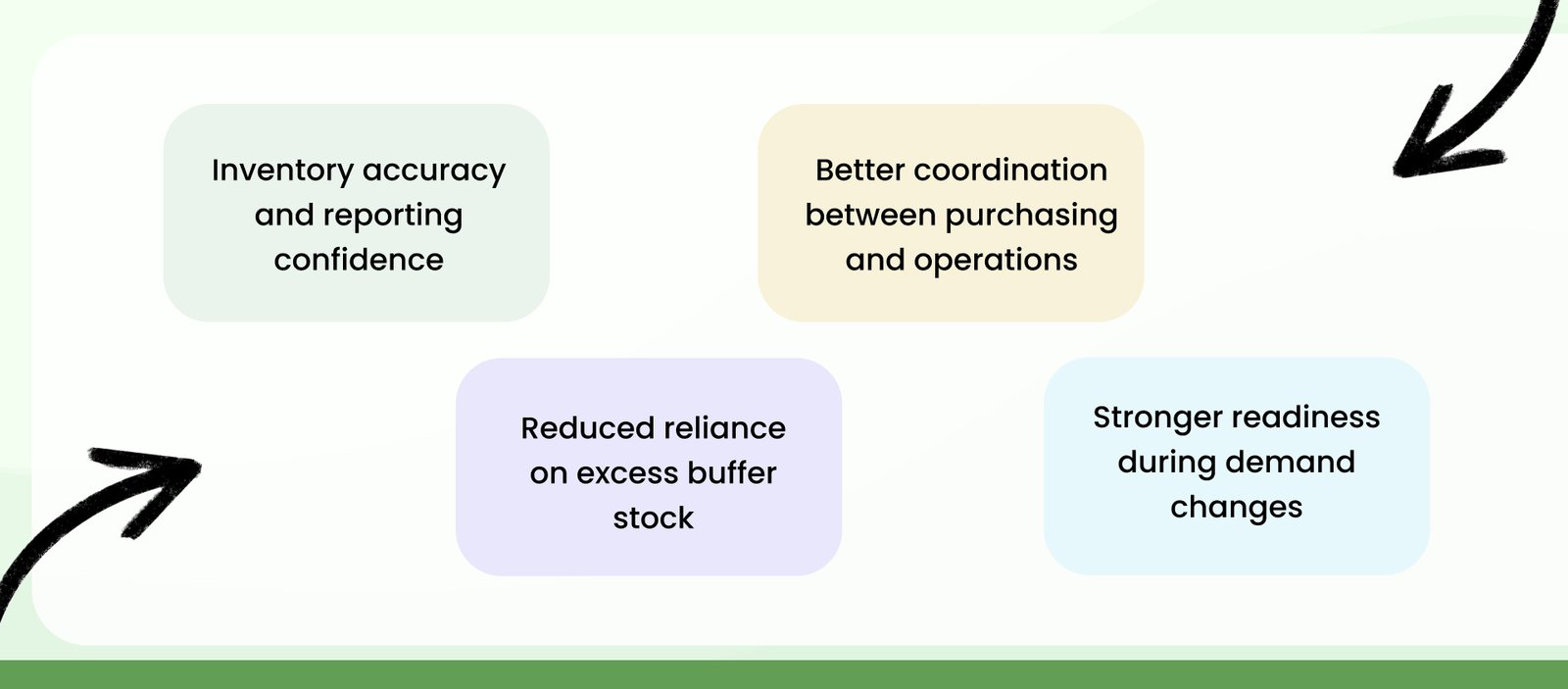
Overstocking to avoid service disruptions
Limited insight into inventory movement trends
These challenges highlight the need for more structured, insight-driven inventory management rather than reactive adjustments.
Inventory management remains a foundational capability for growing enterprises. By focusing on structure, visibility, and disciplined processes—supported by modern tools—organizations can build a stronger operational base for future growth.
Penxel looks forward to engaging with organizations and institutions interested in exploring collaborative pilots and partnerships focused on smarter inventory management in the Philippines.
Get the next article in your inbox
Practical insights on building software, growing teams, and shipping products — delivered every other week. No spam.
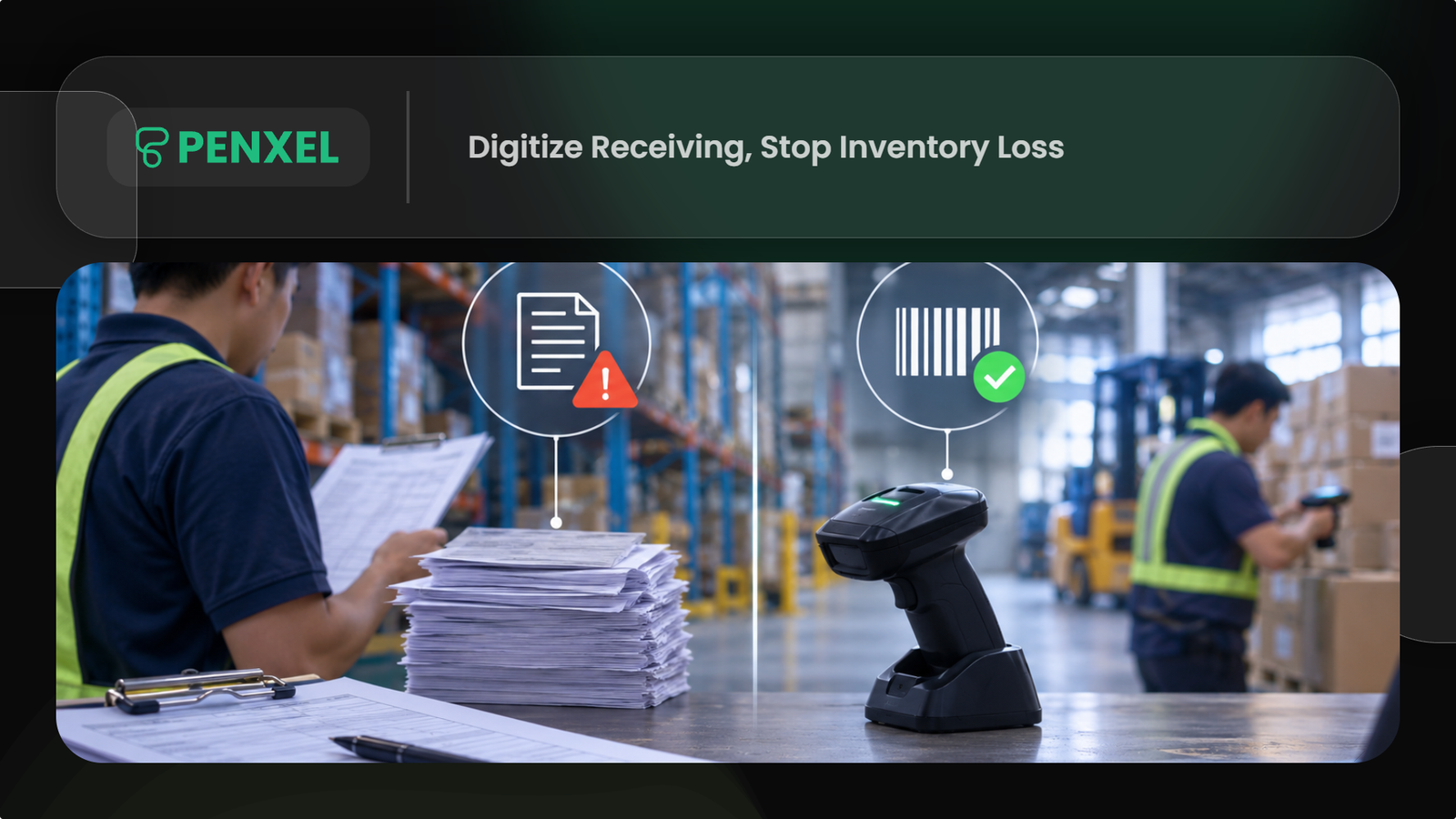
New diagnostics reveal paper-based receiving drives significant inventory variance, leading to "unexplained" losses and hidden costs. Investing in digital receiving tools now can eliminate these issues, making 2027's budget season the ideal time to secure funding for lasting accuracy. Prepare your budget with real numbers.
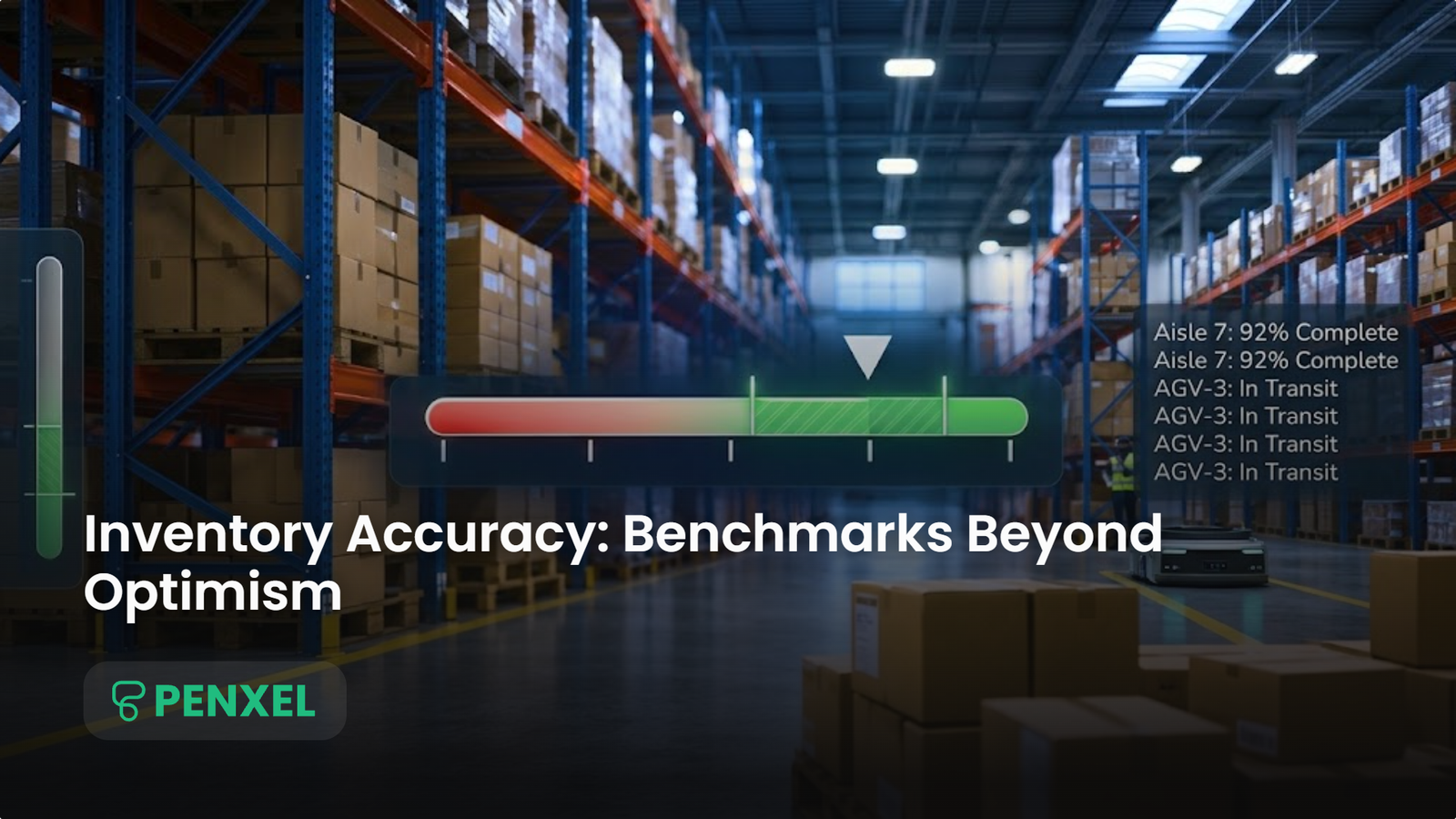
Many plant managers hold optimistic views on inventory accuracy. This article provides real-world benchmarks, highlighting that most tier-1 suppliers operate in the low-to-mid 90s before intervention, with successful OEM audit pass rates requiring even higher precision. It explores the true costs of inaccuracy and outlines practical steps to measure and improve your plant's inventory precision.
Many suppliers face last-minute chaos before an OEM audit, signaling a deeper issue: a lack of trust in their own data. This article explores how everyday data accuracy, supported by systems built for local realities, eliminates audit stress and prevents costly operational errors like duplicate part numbers. It advocates for proactive data integrity as the foundation for both compliance and efficiency.