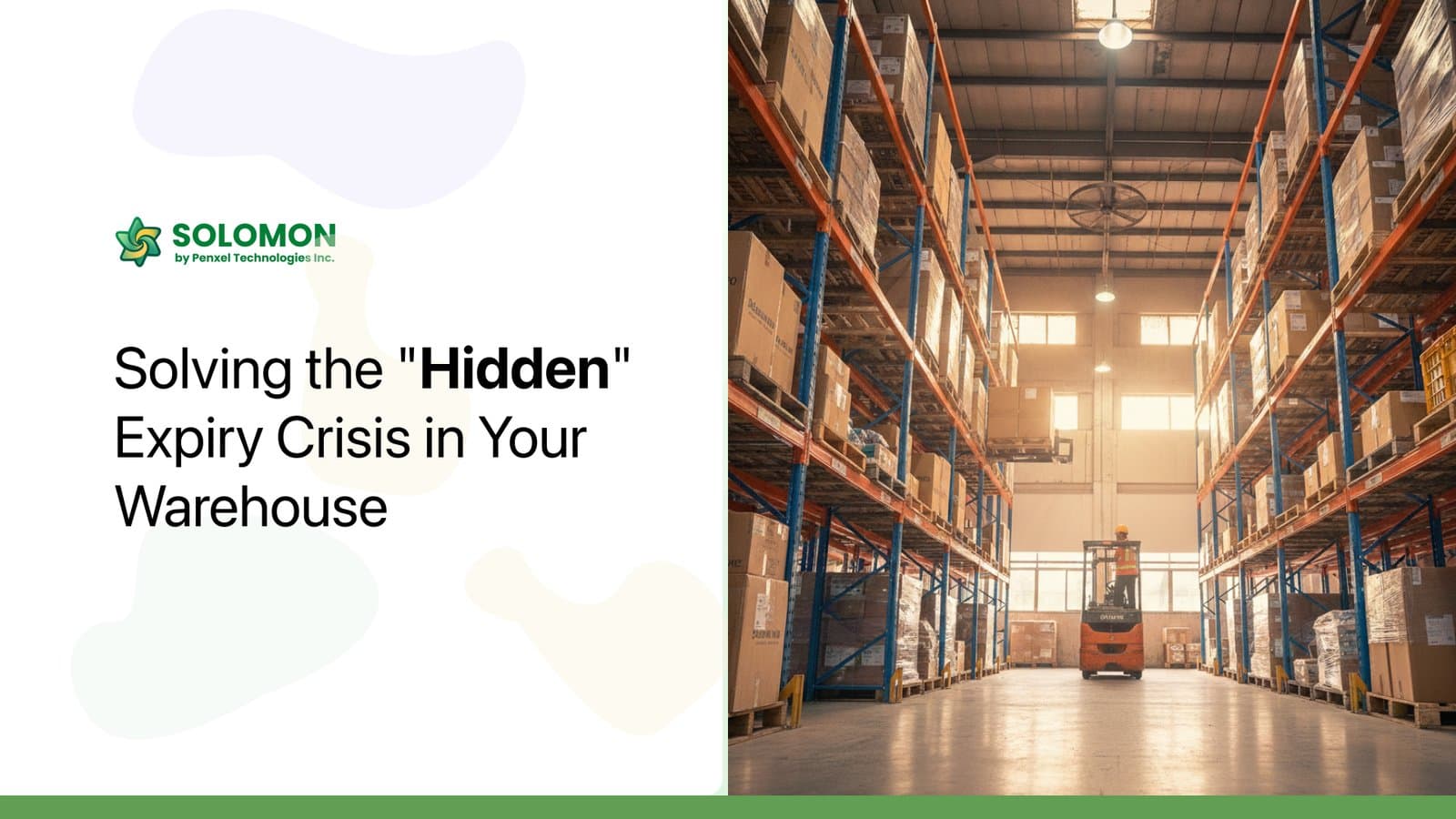
In a typical Philippine warehouse, the biggest threat to profit isn’t just theft or physical damage—it’s obsolescence. Whether you are distributing skincare, snacks, or household chemicals, items that sit too long on a shelf represent "dead cash."
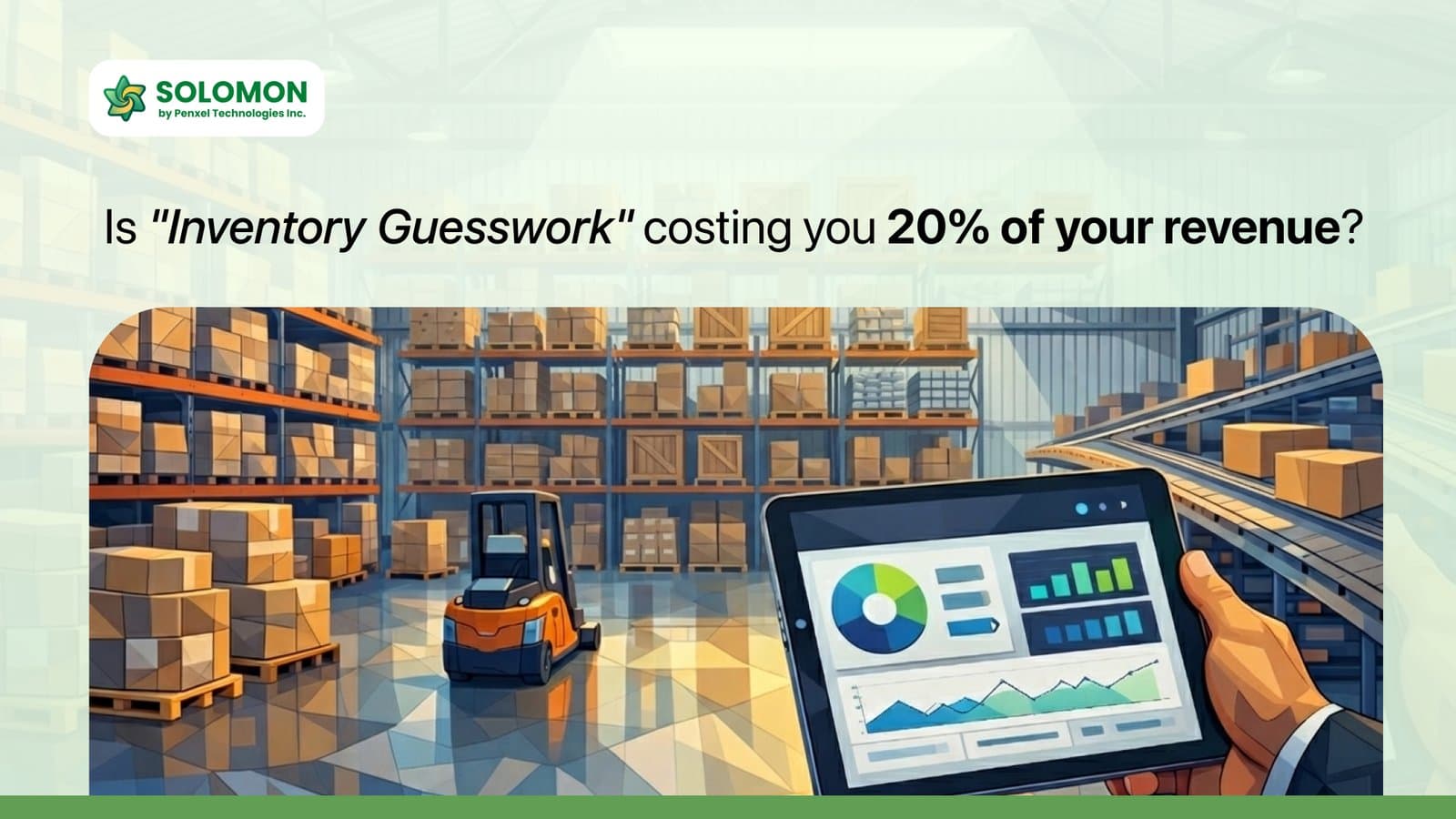
For many Filipino business owners, inventory management is still done via manual logbooks or basic spreadsheets. But as we move through 2026, the cost of manual errors is rising. Recent industry data suggests that poor inventory visibility can cost a business up to 25% of its potential annual profit due to overstocking and expired goods.
The "Dry" Goods Expiry Problem
You don't need a cold storage facility to face shelf-life issues. Products like cosmetics, vitamins, processed food, and even certain industrial supplies have "best before" dates that easily slip through the cracks of a manual system.
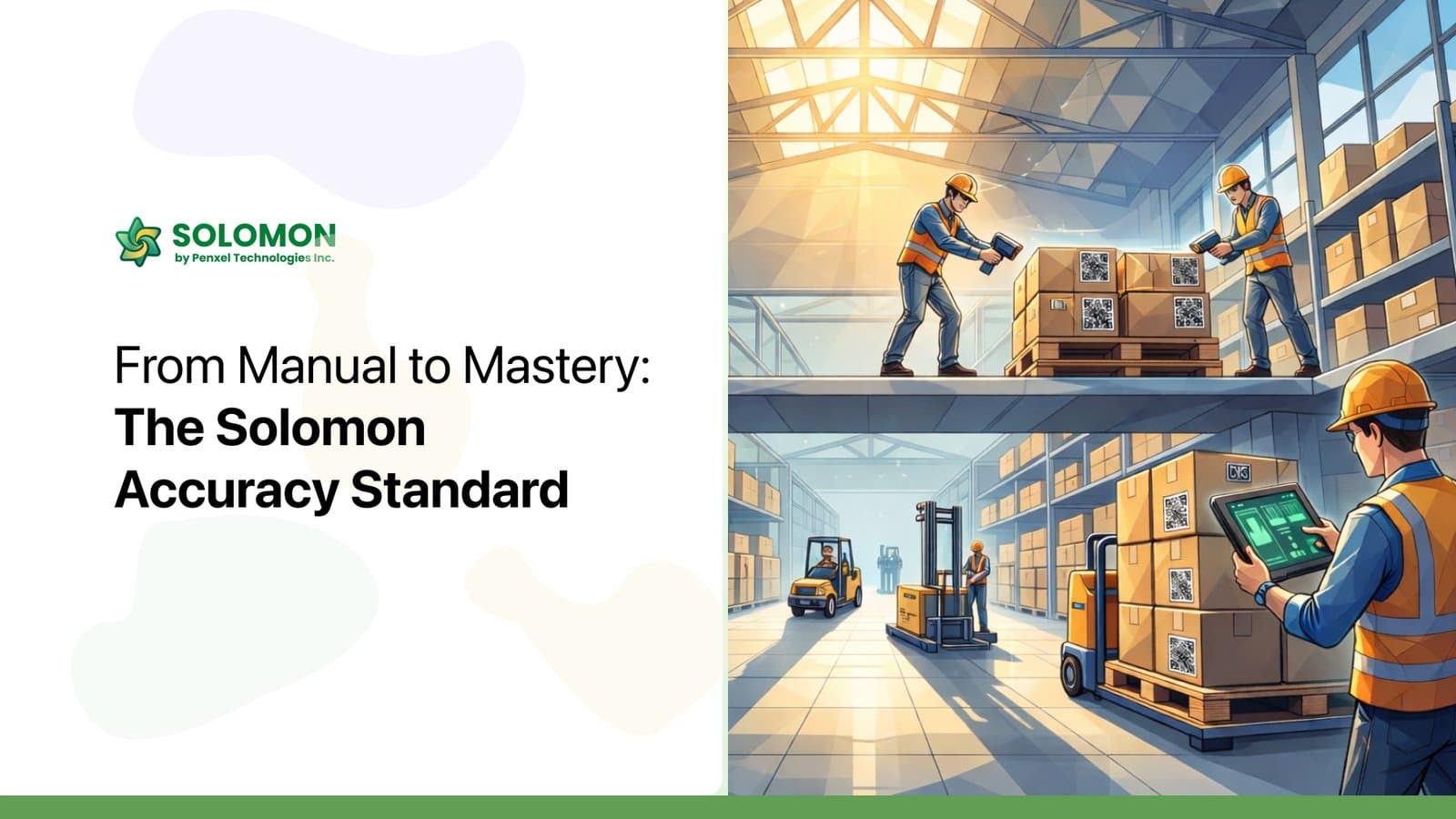
When you transition to a digital inventory system like Solomon, you move from reactive "firefighting" to proactive management.
3 Ways Digital Inventory Saves Your Bottom Line

1. Digital FEFO (First-Expired, First-Out)
In a manual warehouse, pickers usually grab the box that is easiest to reach. Often, this is the newest stock at the front, leaving older stock to sit at the back until it is unsellable.
- The Solution: Solomon tracks the expiration date entered during the receiving process. When an order comes in, the system tells the picker exactly which batch to grab, ensuring the oldest viable stock leaves the building first.
2. Automated "Near-Expiry" Alerts
Waiting for a physical count to realize your stock is expiring in two weeks is often too late to take action.
- The Solution: By setting up automated alerts, the system flags items that are 30, 60, or 90 days from their limit. This gives your sales team time to run a "Flash Sale" or promotion to recover costs instead of throwing the product away.
3. Eliminating "Ghost Stock"
"Ghost Stock" happens when you tell a customer you are "Out of Stock," only to find a dusty box of that exact item hidden on a shelf months later.
- The Solution: A centralized digital record ensures that every unit is accounted for in real-time. If it’s in the warehouse, it’s in the system—meaning you never miss a sale.
Why 2026 is the Year to Ditch the Spreadsheet
With the Philippine Statistics Authority (PSA) reporting increased fluctuations in supply costs, businesses need to be more agile. Inflation means the cost of replacing spoiled stock is higher than ever before.
Managing a standard warehouse doesn't have to be a headache. Moving from a spreadsheet to a dedicated system like Solomon is the fastest way to turn your storage room into a high-performance distribution center.