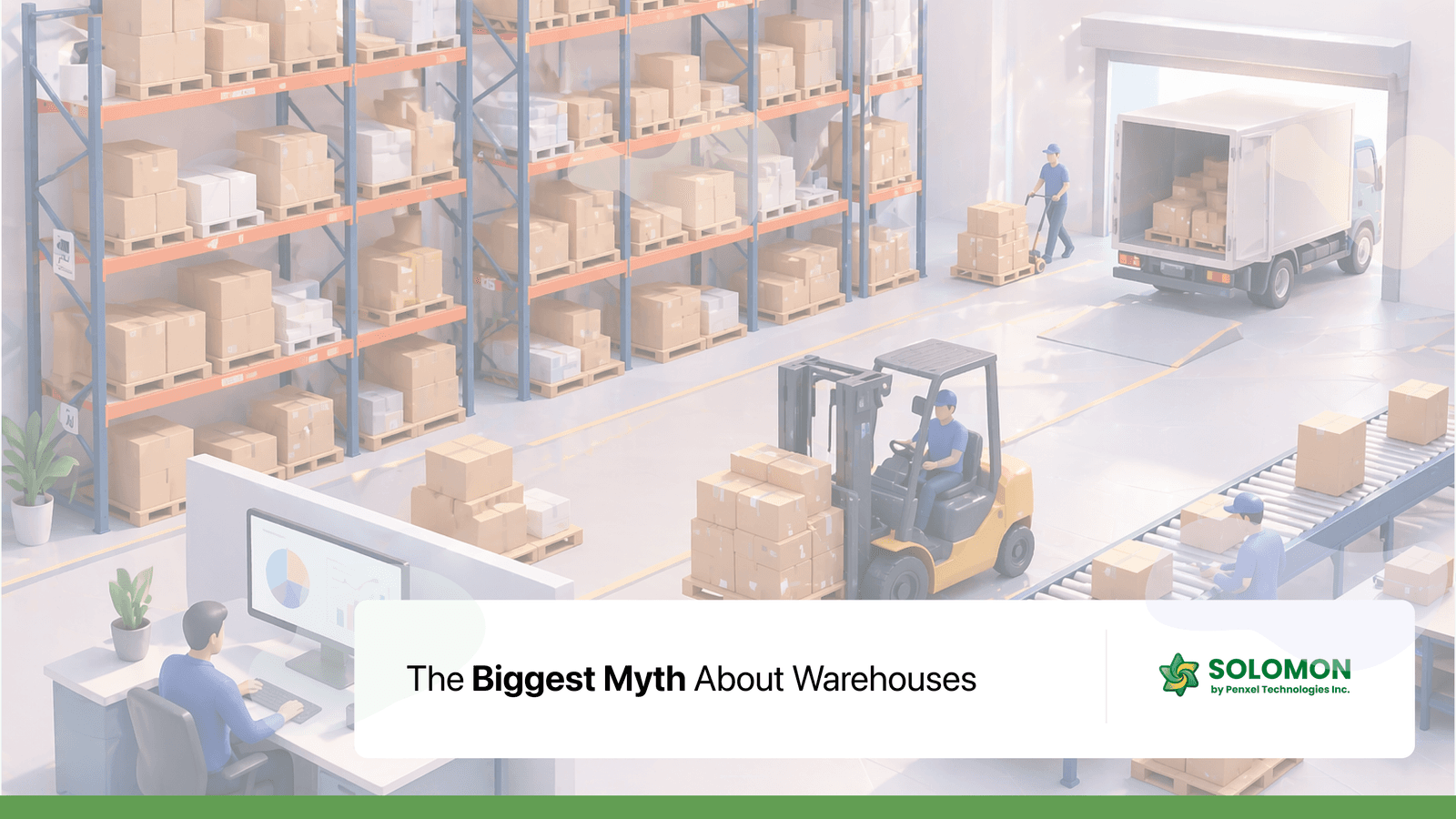
Walk into a well-organized warehouse and it’s easy to feel confident about operations.
Clean shelves.
Neatly stacked boxes.
Clearly printed labels.
Everything looks efficient.
But here’s the uncomfortable truth:
An organized warehouse does not necessarily mean an efficient one.
Many companies mistake visual order for operational control. While physical organization is important, it’s only one part of the equation. Behind many tidy warehouses are systems that are still heavily manual, fragmented, or delayed.
And that’s where the real problems start.
When Organization Becomes an Illusion#
Imagine a warehouse where everything looks perfectly arranged.
Products are stored properly.
Shelves are labeled.
The floor is clean and orderly.
But when a manager asks a simple question —
“How many units of this product do we actually have available right now?”
The answer isn’t immediate.
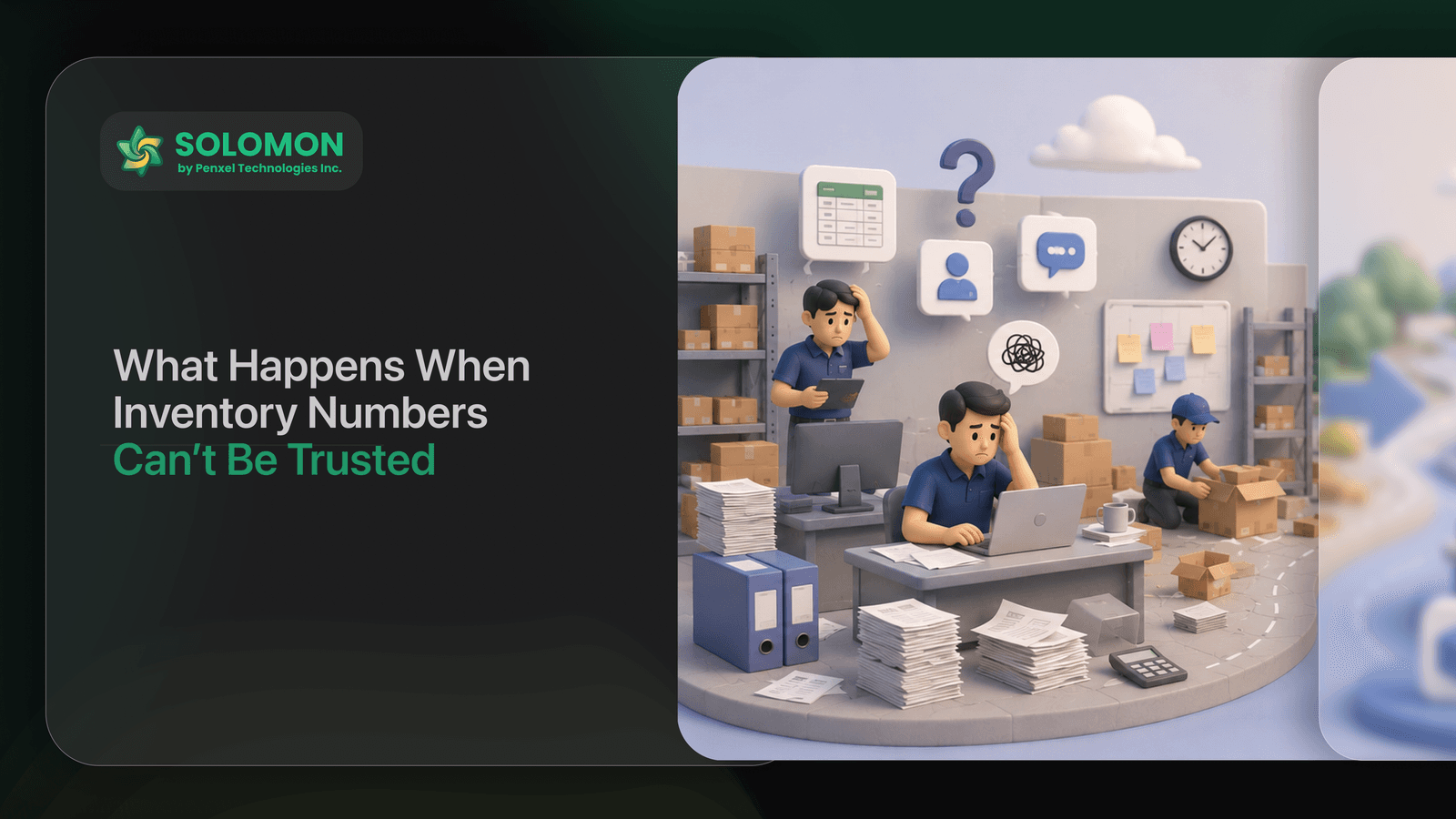
Someone checks a spreadsheet.
Someone else walks to the shelf.
Another team member reconciles the numbers.
By the time the answer arrives, the data may already be outdated.
This scenario is more common than many businesses realize.
Physical organization helps people find items. But it doesn’t guarantee real-time operational visibility.
The Real Challenge: Information Flow#
Warehouses today move faster than ever.
Products arrive, move, get picked, packed, shipped, returned, and relocated continuously throughout the day.
If inventory updates rely on manual encoding or delayed reporting, the system quickly falls behind reality.
This creates familiar operational issues:
- Stock discrepancies
- Delayed order fulfillment
- Overstocking or stockouts
- Extra time spent verifying inventory
None of these problems are caused by messy shelves.
They are caused by slow or incomplete information flow.
Where Modern Warehouses Are Heading#
The most effective warehouses today combine two elements:
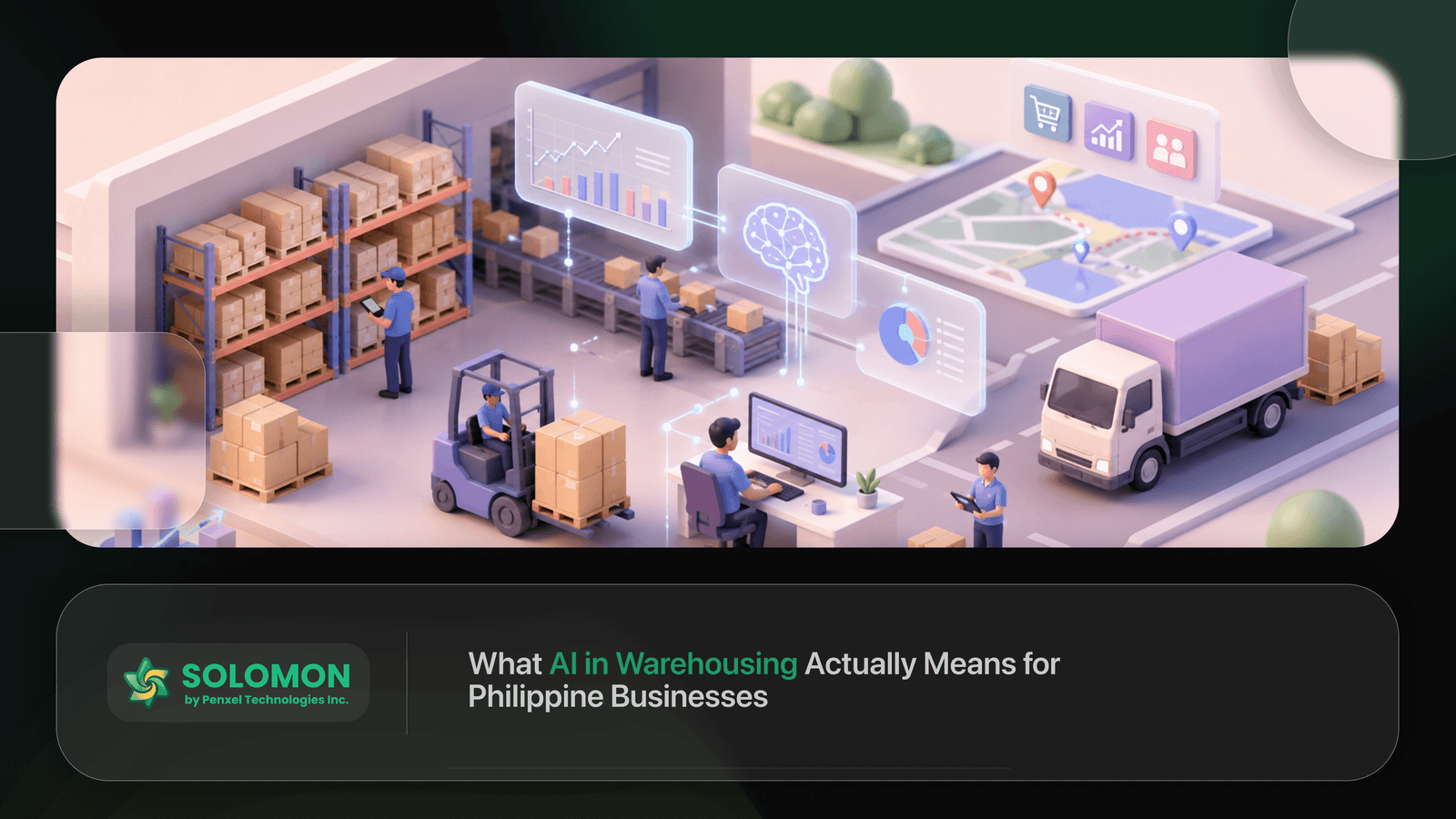
Physical organization and digital intelligence.
This means inventory movements are automatically captured and reflected in the system the moment they happen.
When a product moves, the system knows.
When stock levels change, the data updates instantly.
When leaders need answers, they see them immediately.
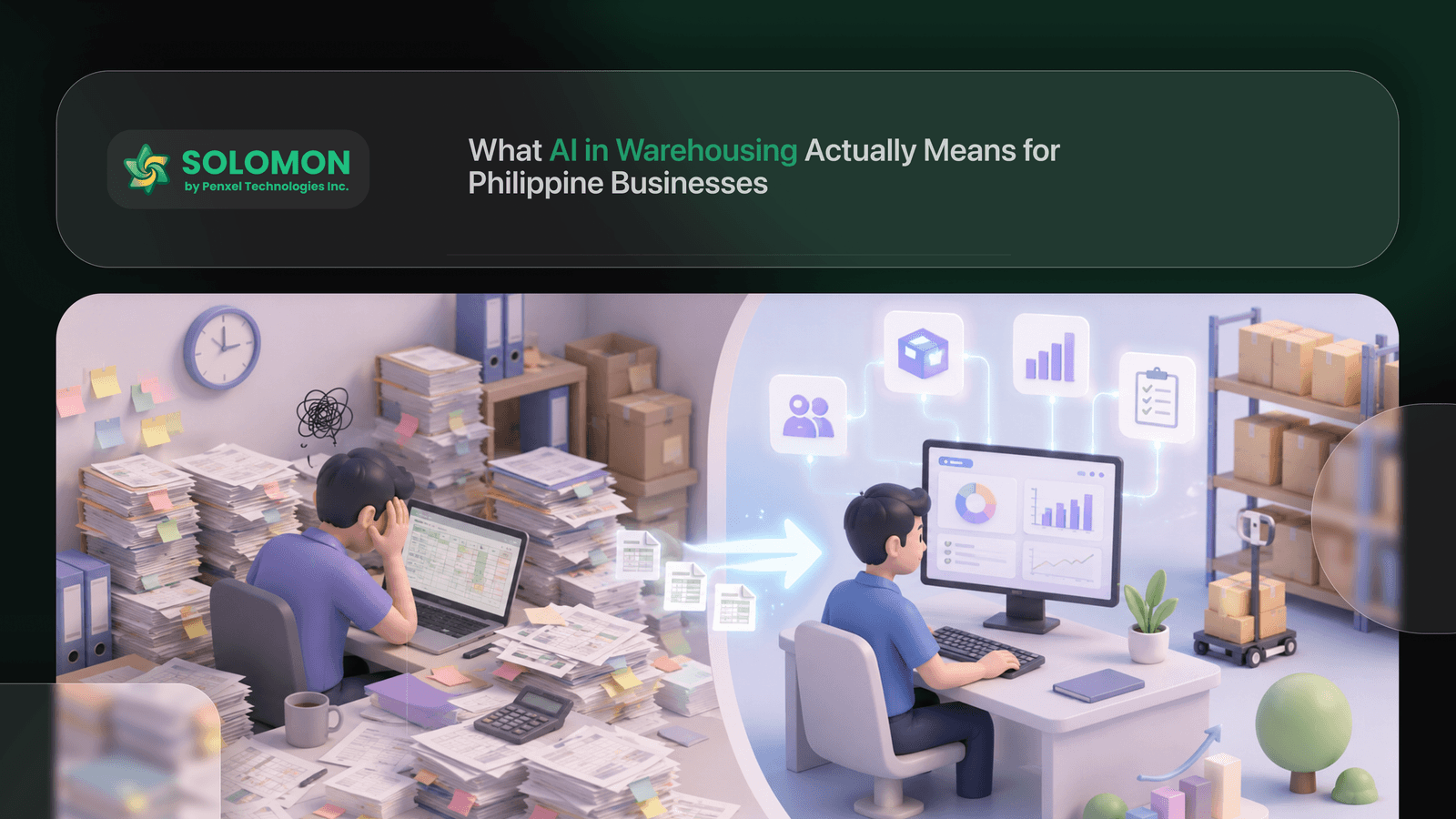
Instead of asking “Can someone check the shelf?”, teams can simply open a dashboard and view the current state of operations.
Visibility Changes Everything#
Real-time visibility allows businesses to make better decisions across the entire supply chain.
Managers can:
- Monitor inventory levels instantly
- Detect discrepancies earlier
- Replenish stock before shortages occur
- Optimize storage and picking workflows
- Reduce time spent on manual reconciliation
The warehouse becomes more than a storage space.
It becomes a source of operational intelligence.
From Organized to Intelligent#
In the past, success in warehousing meant maintaining order and discipline on the floor.
Today, success also requires clarity in the data.
A modern warehouse is not defined only by how clean or organized it looks, but by how quickly leaders can understand what is happening inside it.
Because the future of warehouse operations isn’t just about organization.
It’s about intelligence.
And companies that combine both will move faster, operate smarter, and serve customers better in an increasingly competitive market.